
APMT Liderazgo · Guide
How to train and certify your company's equipment operators
Short answer
How do I train and certify my company's equipment operators?
Start by measuring: what each person knows today, by role and crew, and what it is costing the job (damage, rework, downtime, fuel). With that baseline you build a path per role —the signal person does not follow the same path as the excavator operator—, train in the classroom, on the simulator and on real machines or directly at your job site, assess in the field with an authorized assessor and certify with a verifiable code. Then you measure against the starting number, without invented percentages.
The method in four stages
Assessment
What your people know today (by role, crew and project), what it costs the job and a written baseline. Without that number, any later result is an opinion.
Path and rollout
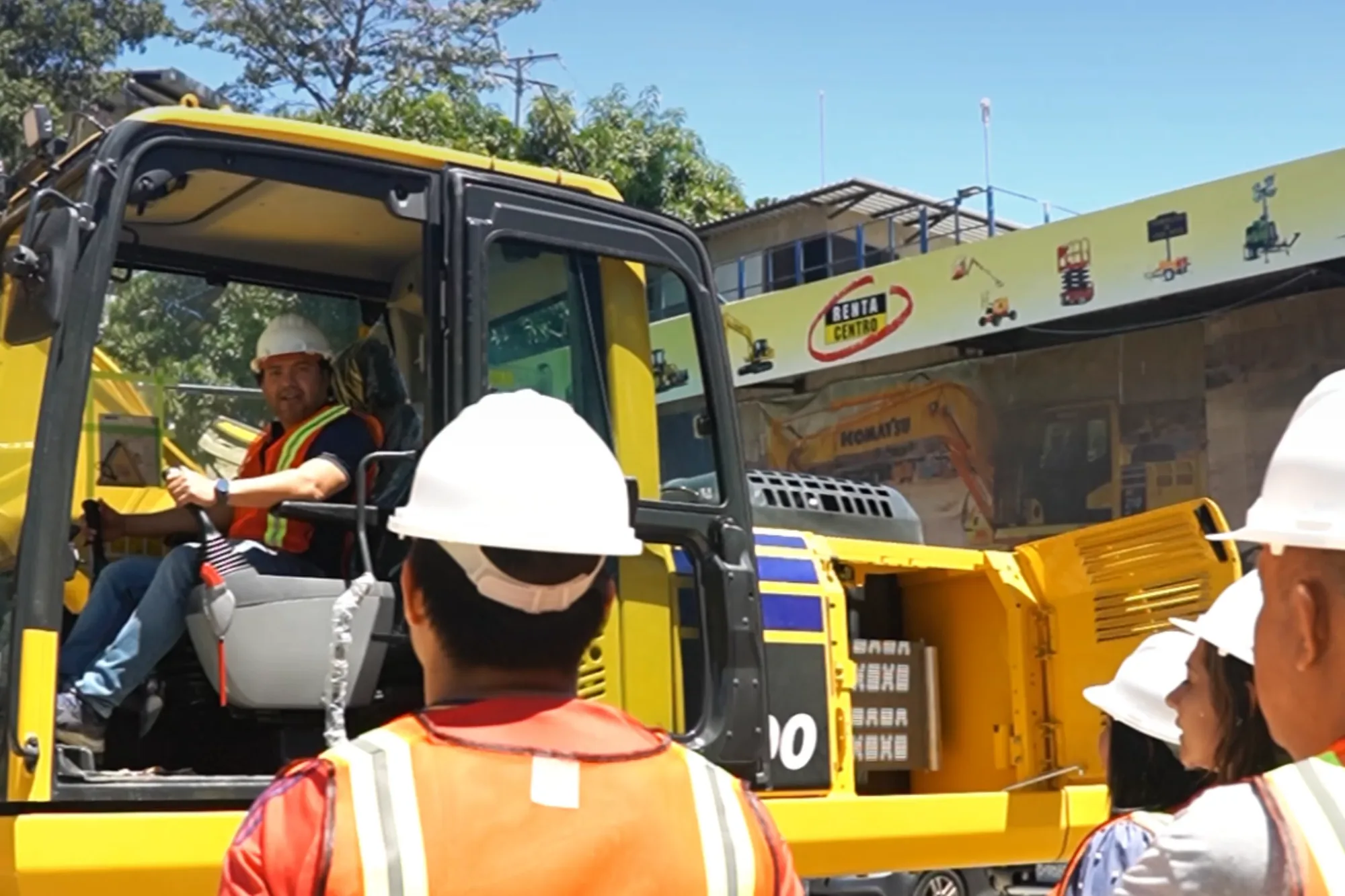
One program per role, not one course for everyone. Classroom theory, simulator hours and supervised practice, at the center or at your site (in-company: the machine stays, the instructor travels).
Assessment and certification
Theory and simulator tests graded on the server, field practice scored criterion by criterion by an authorized assessor, and a certificate with code and QR.
Follow-up and results
Activation, progress, skills matrix and measurement against the baseline.
What your supervisor sees
- Activation: how many of the licenses purchased were actually used.
- Progress per person, with the deadline in view.
- Overdue paths, sorted by urgency.
- Certificates about to expire, to recertify on time.
- Skills matrix: all your people against all competencies.
- CSV export for your own system or an audit.
What a company program includes
- Annual subscription per organization.
- Users per company, groups and crews.
- Private paths and your own content.
- Supervisor dashboard.
- Certifications and reports.
- Rollout and on-site training.
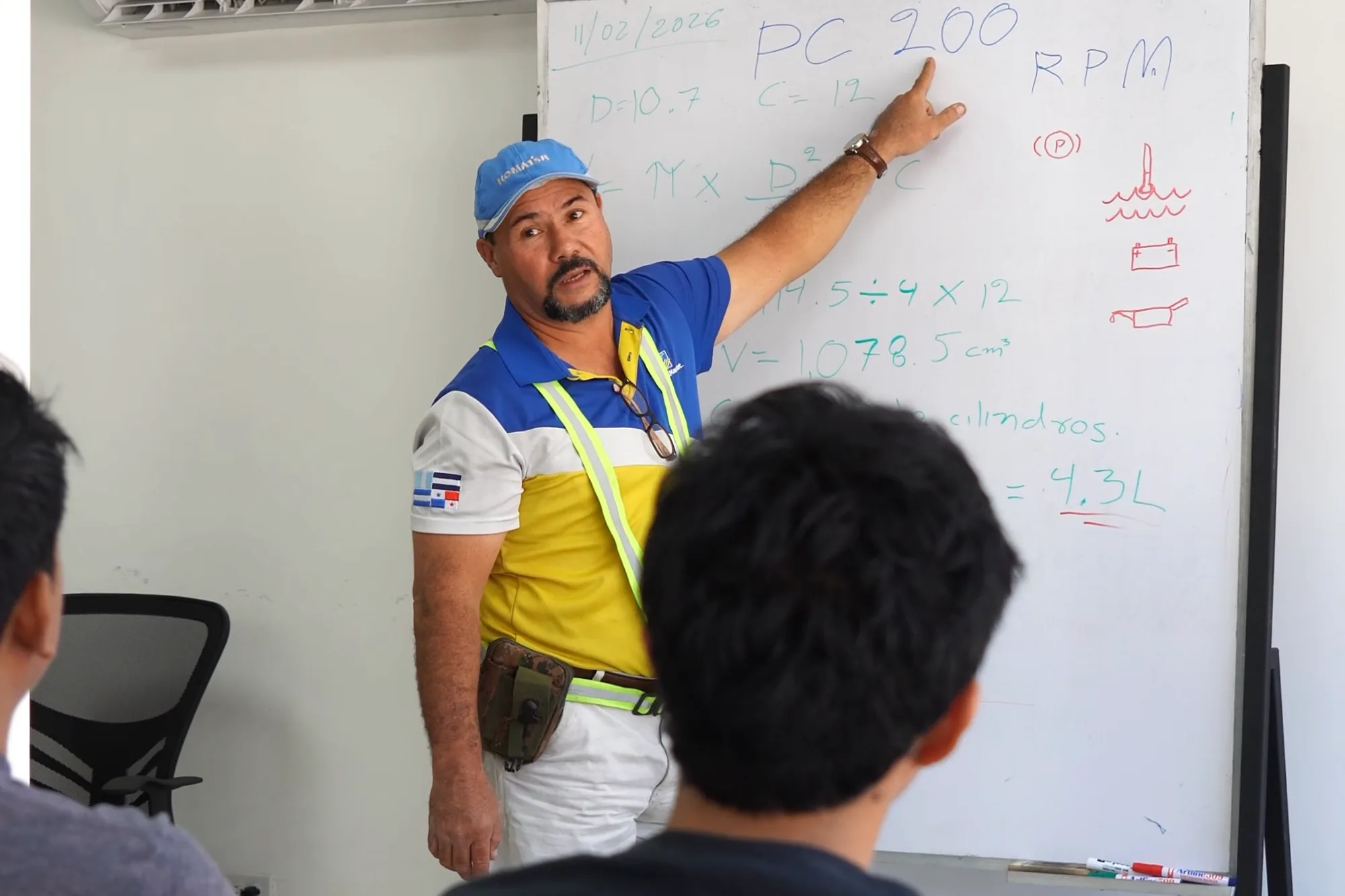
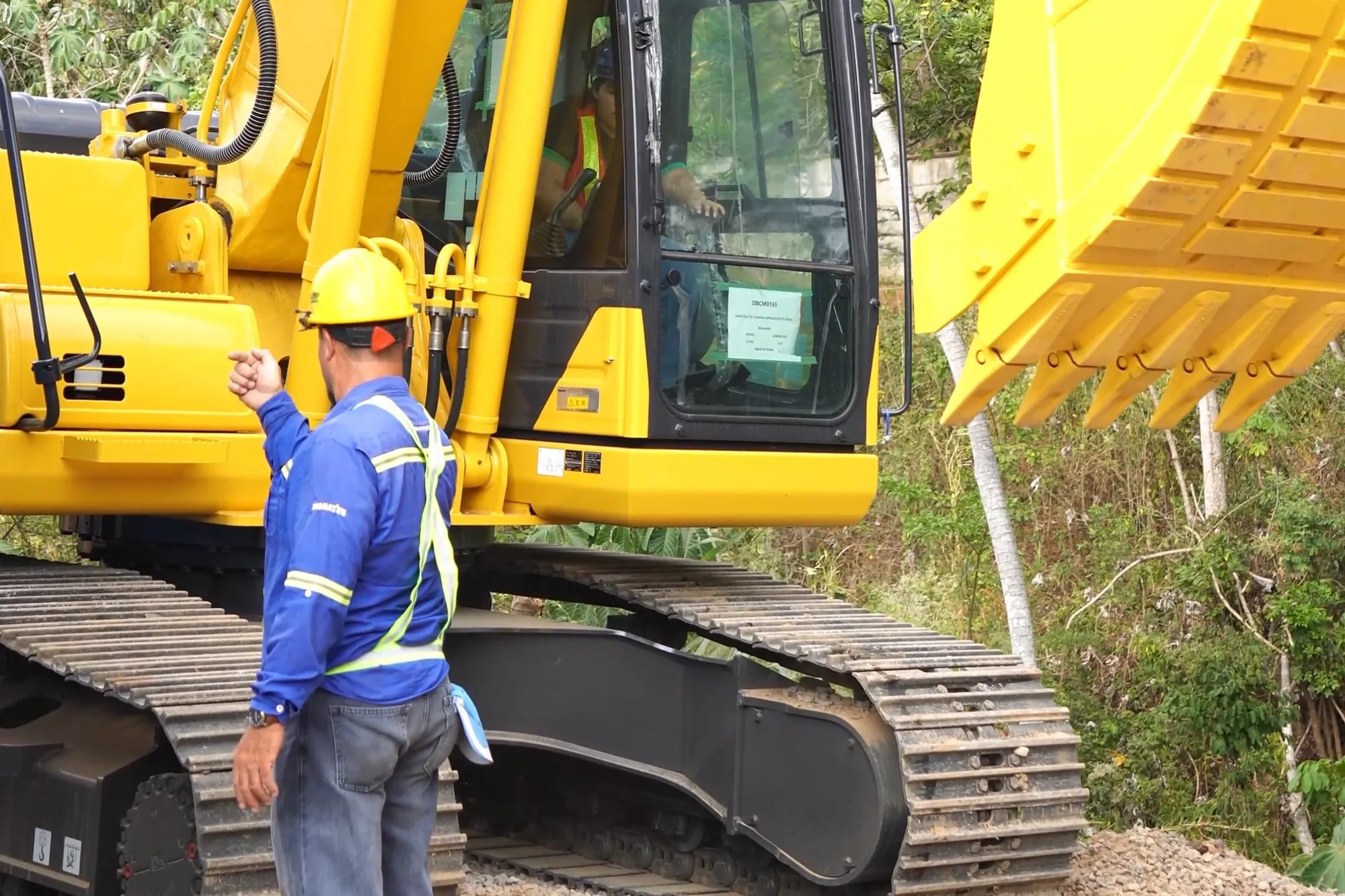
Four shots of the method at the Zaragoza campus: simulator, real excavator, skid steer loader and an instructor directing the maneuver. No audio.
Programs a path is built from
Paths combine programs from the five areas. Some common starting points by role:
| Program (in Spanish) | Delivery | Level | Modules | Hours | Certificate |
|---|---|---|---|---|---|
| Inducción general a obraEl Salvador · Nicaragua · Guatemala · Panama | Online | Bronze | 5 | To be defined | Participation |
| Seguridad alrededor de maquinariaEl Salvador · Nicaragua | Blended | Bronze | 6 | To be defined | Pass |
| Inspección preoperacionalEl Salvador · Nicaragua | Blended | Bronze | 6 | To be defined | Pass |
| Fundamentos de excavadora hidráulicaEl Salvador · Nicaragua | In person | Silver | 6 | To be defined | APMT competency |
| Mantenimiento preventivoEl Salvador · Nicaragua | Blended | Silver | 6 | To be defined | Pass |
| Liderazgo para supervisoresEl Salvador · Nicaragua · Guatemala · Panama | Blended | Silver | 6 | To be defined | Pass |
If your job site wants to go digital
The Digital job-site assessment surveys fleet, models, connectivity and real problems to say what is worth digitizing first. A pilot runs on one work front with an agreed baseline and KPIs: it is measured before and after; nothing is promised.
How to know it worked
With two proofs: each person's competency certificate, verifiable online, and the comparison against the assessment baseline. Any other figure without a baseline is an opinion.
Frequently asked questions
Does APMT train at my company's job site?
Yes. In-company training is delivered at your site: the machine stays, the instructor travels.
Does APMT train operators of any equipment brand?
Yes. APMT trains staff from contractors, governments, municipalities, dealers, fleets, universities and companies with machinery of any brand. It is not only for ConstruMarket customers.
How do I check that my operator can really operate?
With the APMT competency certificate, which requires performing the task in front of an authorized assessor and can be verified by anyone by code or QR without an account.
How much does it cost to train my crew?
It is quoted per program, country and delivery mode. Tell the academy how many people, in which roles and with which machines from the company page and an initial proposal is prepared.
Sources
- APMT program page: Seguridad alrededor de maquinaria
- APMT program page: Fundamentos de excavadora hidráulica
- APMT program page: Liderazgo para supervisores
- APMT · Company programs
- APMT · Digital job-site assessment
- APMT · Certifications (types, levels and statuses)
An APMT guide, written from the published program catalog and the sources cited.
The regulatory or employment validity of a certification may vary by country, program and accrediting body. Komatsu, Smart Construction and KOMTRAX are trademarks of their respective owners.