
APMT Operadores · Guide
Simulator vs. real-machine practice: what each one is for
Short answer
Is it better to learn on a simulator or on a real machine?
They do not compete: they are used in that order. The simulator is for making mistakes with no risk, repeating the same maneuver as often as needed and measuring where each person fails, without burning fuel or tying up a machine that is earning money. The real machine is where you learn what the screen cannot give —the ground, the actual equipment, the people around— and where competency is demonstrated. At APMT nobody jumps from the classroom to the job site: theory, simulator, supervised practice and field assessment.
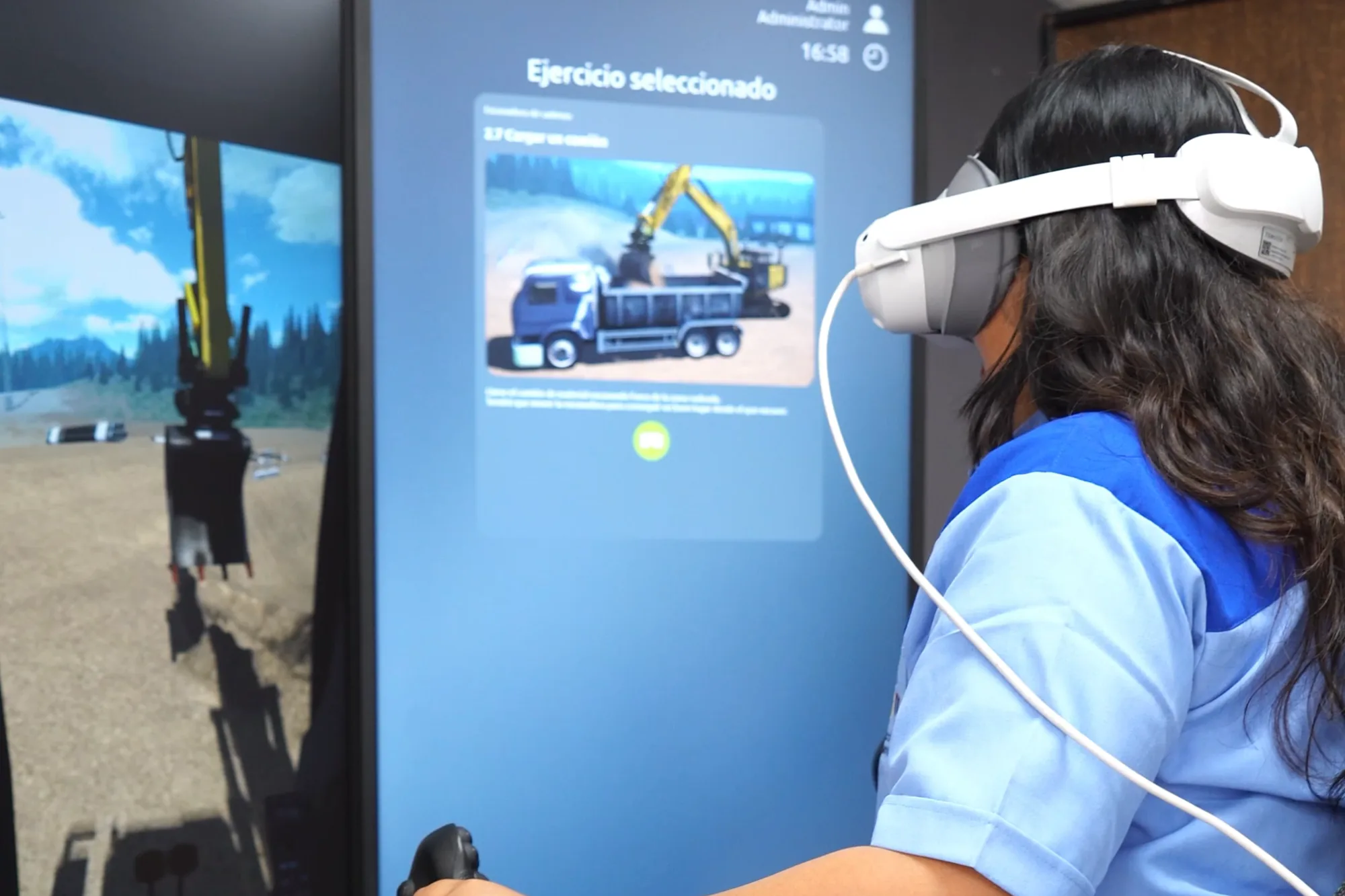
What the simulator is for
No risk
The mistake happens on the screen, not with a machine worth hundreds of thousands of dollars next to a crew.
No fuel
Hours of practice with no fuel, no undercarriage wear and no machine taken off the job.
Repeatable
The same hard maneuver twenty times in a row until it works. You cannot do that on site.
Measurable
Each exercise is recorded: the instructor sees where each trainee fails before putting them on the machine.
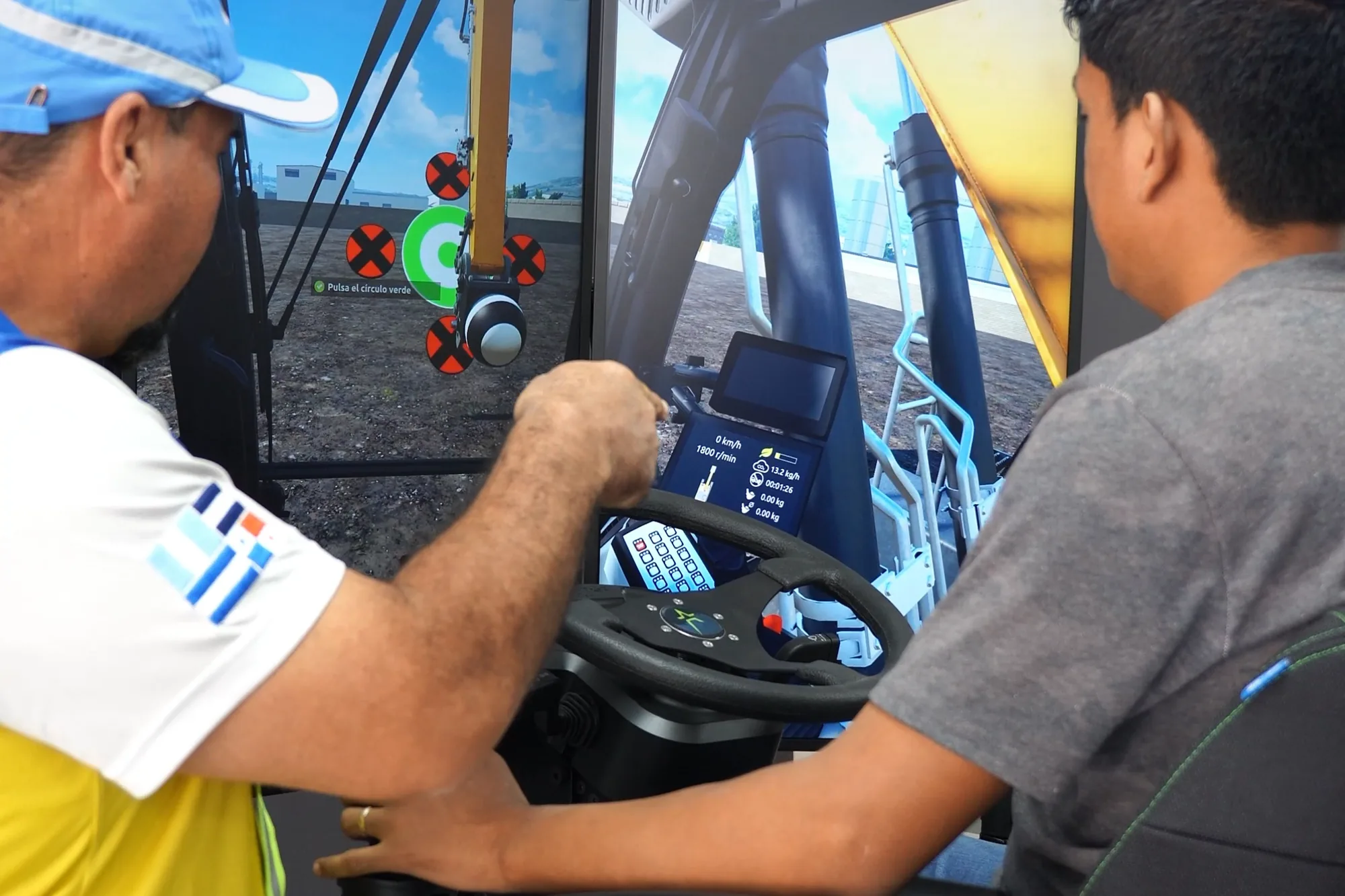
What the simulator does not replace
Practice on a real machine, with the instructor next to you, and the field assessment. That is why at APMT a pass certificate assessed in the classroom or on the simulator does not certify autonomy on site: that is what the competency certificate is for, which requires performing the task in front of an authorized assessor.
- Real ground: slopes, loose material, mud and excavation edges.
- The actual machine, with its weight and response.
- The people around: signal person, helpers, trucks and site traffic.
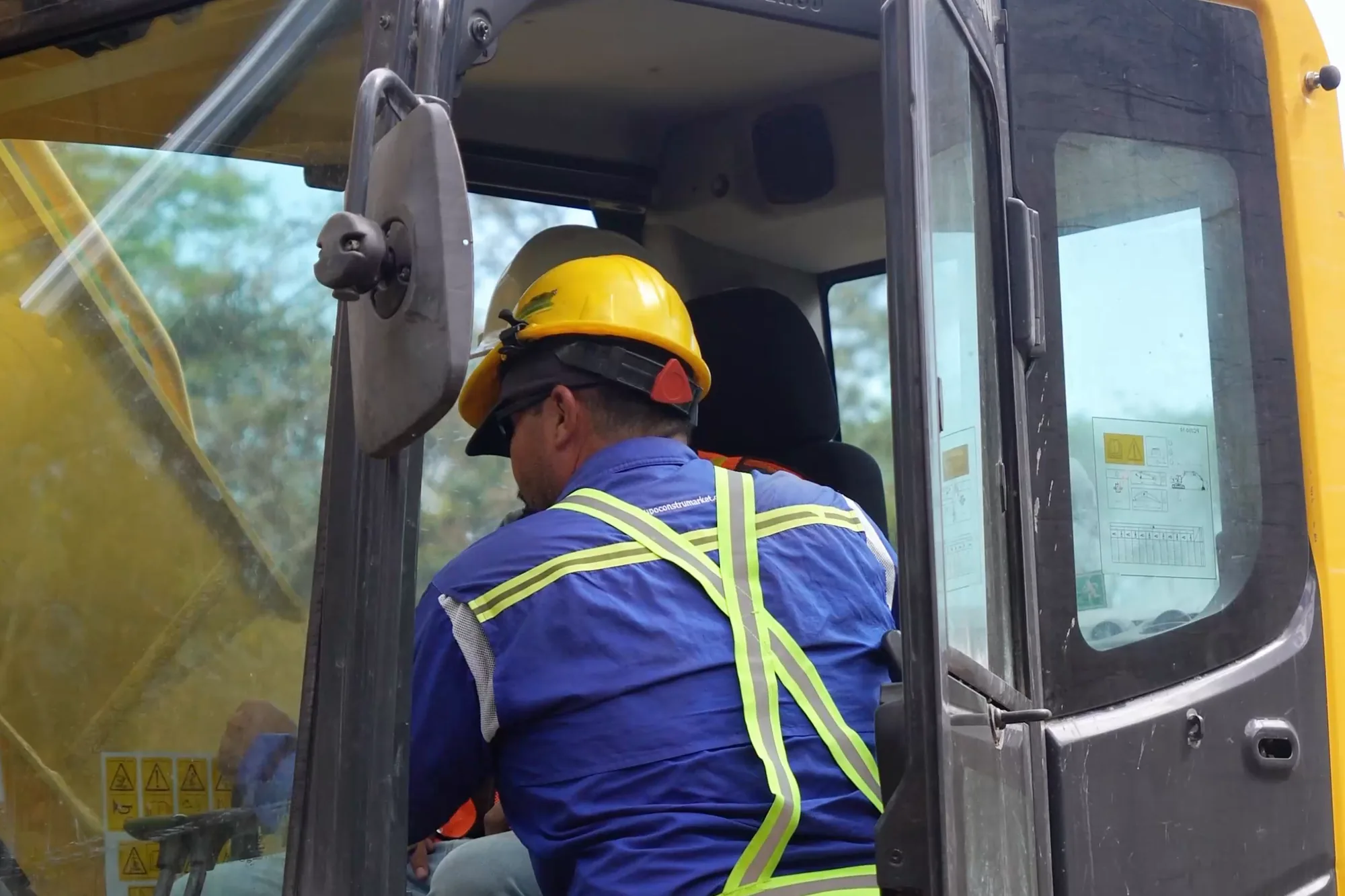
How they combine in the APMT path
Theory
What the machine does and why.
Safety
What can go wrong before starting it.
Simulator
Making mistakes without breaking anything or hurting anyone.
Supervised practice
Real machine, instructor alongside.
Field assessment
An assessor scores criterion by criterion.
Certification
The certificate that matches what was demonstrated.
Which simulators and machines APMT uses
APMT trains on Tenstar Simulation simulators, a Swedish manufacturer building simulators since 2009. At the Zaragoza campus (El Salvador) trainees also practice on a real excavator, skid steer loader, telehandler and light equipment. Which simulator models are installed at each center is confirmed by the academy.
As a reference for the platform's scope, the manufacturer's catalog includes crawler and wheeled excavator, dozer, motor grader, wheel loader, articulated hauler and telehandler simulators. That is what Tenstar builds, not APMT's inventory.
Nelly Melissa Flores Zuniga. She introduces herself by name. She explains why she enrolled and what she learned, while she is shown on the simulator and in the cab of the training-yard excavator.
Frequently asked questions
Can I get certified as an operator with the simulator only?
Not at competency level. The APMT competency certificate requires a formal practical assessment in the field. A classroom or simulator assessment can lead to a pass certificate, which does not certify autonomy on site.
Which simulator brand does APMT use?
Tenstar Simulation, a Swedish manufacturer of construction simulators since 2009.
Does the simulator replace hours on the real machine?
No. It complements them: you reach the real machine with controls and cycles already practiced, and the instructor already knows where you struggle.
Which machines have a simulator?
The manufacturer builds excavator, dozer, motor grader, wheel loader, articulated hauler and telehandler simulators, among others. The models installed at each APMT center are confirmed by the academy.
Sources
- APMT program page: Fundamentos de excavadora hidráulica
- APMT program page: Fundamentos de minicargador
- APMT program page: Fundamentos de miniexcavadora
- APMT · Simulators and training centers
- Tenstar Simulation · construction simulators (manufacturer site)
- APMT · Certifications (types, levels and statuses)
An APMT guide, written from the published program catalog and the sources cited.
The regulatory or employment validity of a certification may vary by country, program and accrediting body. Komatsu, Smart Construction and KOMTRAX are trademarks of their respective owners.