
APMT Operadores · Guide
Common beginner operator mistakes and how to look after the machine
Short answer
What are the most common mistakes of a beginner equipment operator?
The costliest mistakes when starting out are not about skill but about habit: starting without inspecting, not knowing the blind spots, swinging or reversing without confirming with the signal person, exceeding the rated load, jerking the controls, idling for no reason and keeping quiet about a small fault. All of them are corrected with method: the simulator to repeat without risk and supervised practice before reaching the job site.
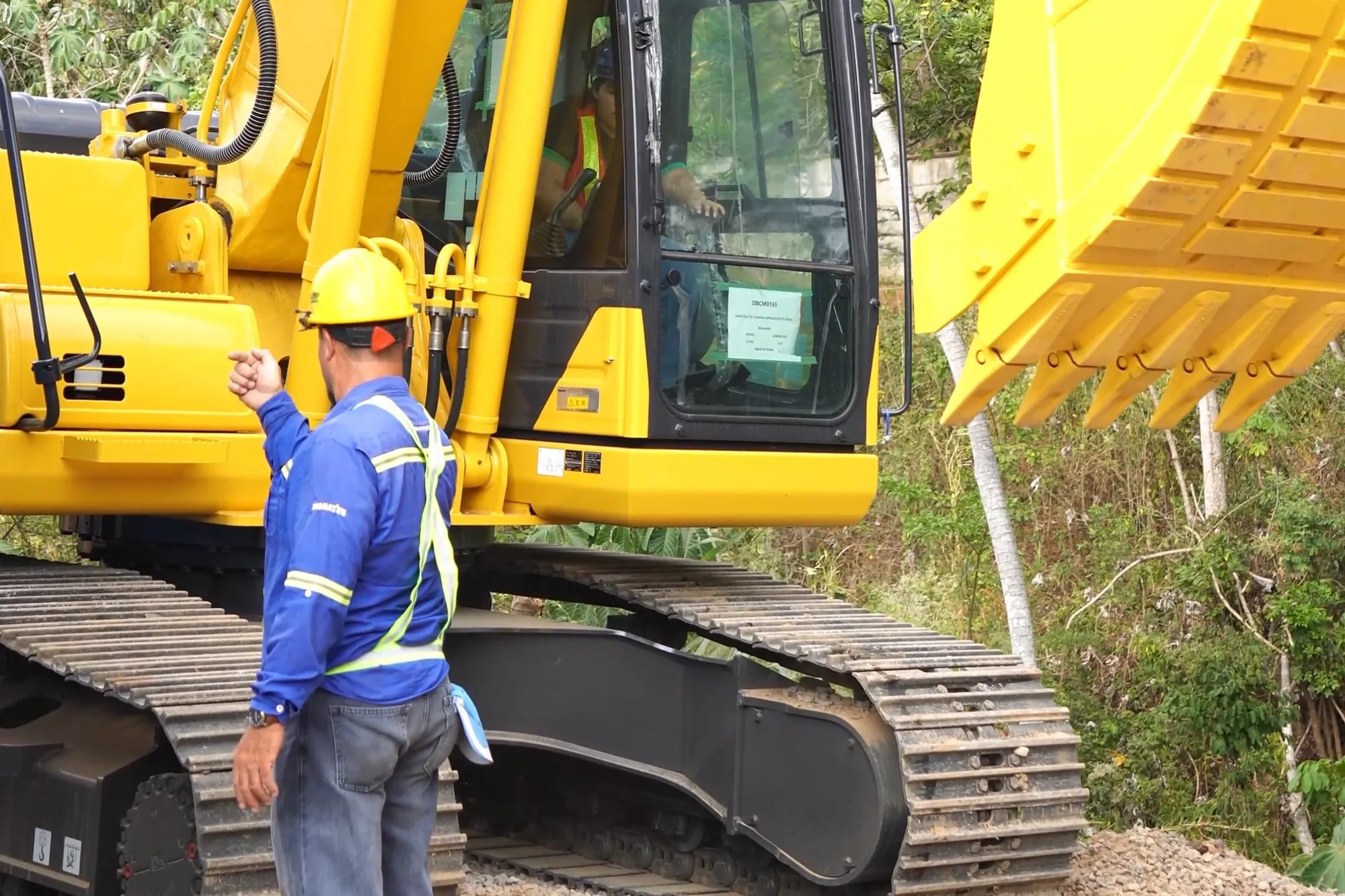
The mistakes, and what to do instead
Starting without inspecting
The 360° walk-around before the shift is what finds the leak or the unlocked pin. Always do it, even if the machine "was fine yesterday".
Not knowing blind spots and swing radius
Every machine has zones where you cannot see anyone. Learn them for your machine and assume someone is there until you confirm otherwise.
Moving without communicating with the signal person
Before swinging or reversing, confirm. If you lose sight of the signal person, you stop.
Exceeding the rated load
Respect your unit's rated capacity (skid steer, forklift) and the stability triangle. Tip-overs start with "just this once".
Jerky controls
Abrupt movements wear the machine and burn more fuel. Precision comes from smooth, coordinated movements.
Unnecessary idling
A machine running without working burns fuel and adds hours. Machines with telematics record idle time: your supervisor can see it.
Digging without confirming buried utilities
On urban work, before digging you confirm where water, power and telecom lines run.
Working at the edge of excavations and slopes
Edges give way. Recognizing an unsafe condition in an excavation is part of the job.
Keeping quiet about a small fault
Today's noise is tomorrow's downtime. Report it with a photo and the hour-meter reading.
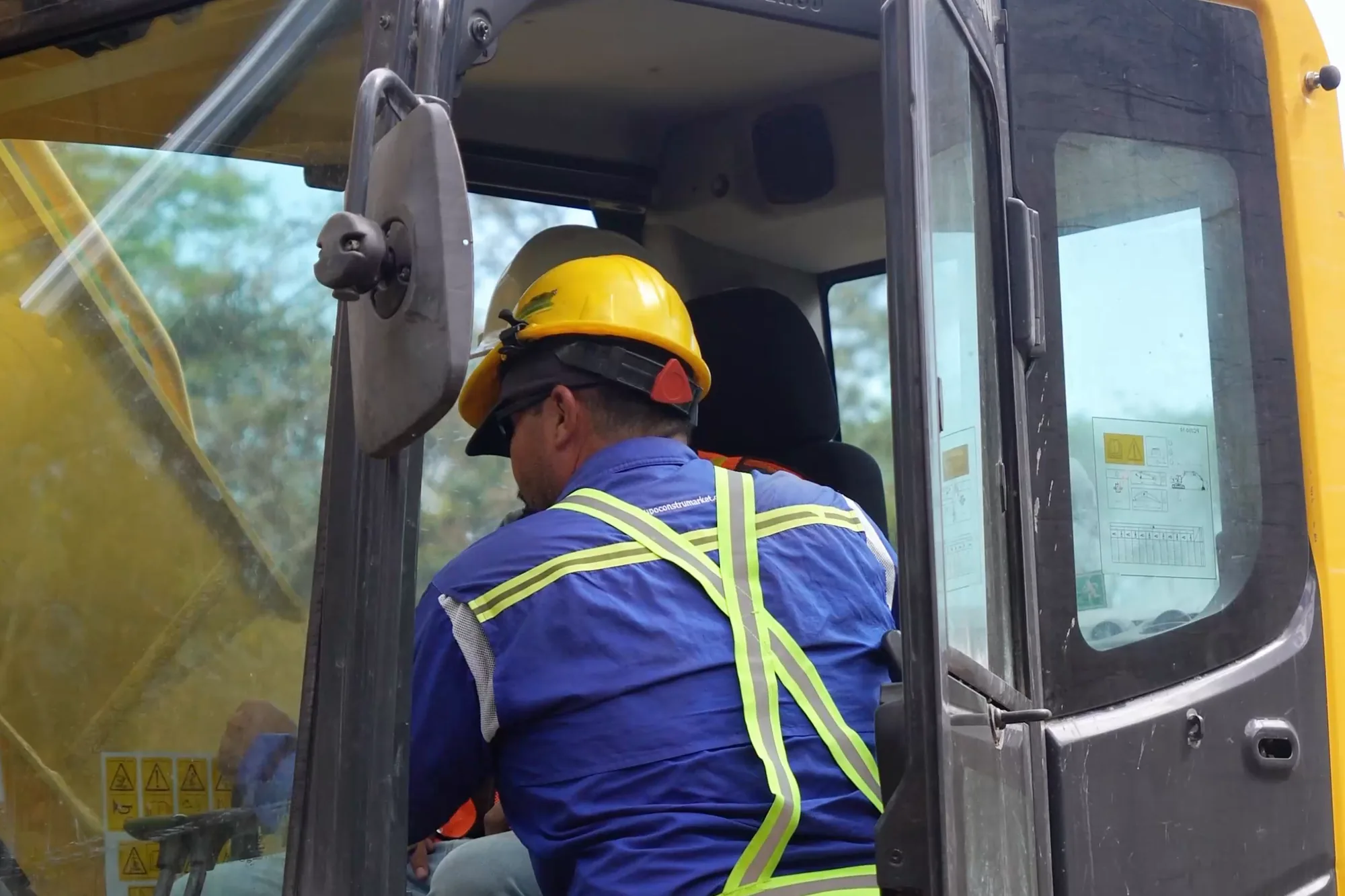
The essential steps to operate a Bobcat skid steer loader safely, efficiently and responsibly.
Looking after the machine from day one
- Pre-operation inspection every shift, and report what you find.
- Smooth movements: less wear on pins, hoses and undercarriage.
- Shut down instead of idling when the wait is long, following your site procedure.
- Respect the manufacturer's hour-based maintenance intervals.
- Look after tracks, blade and attachments: do not use them for what they were not built for.
General orientation. Your machine's limits, intervals and procedures are in the manufacturer's manual, and your site procedure takes precedence.
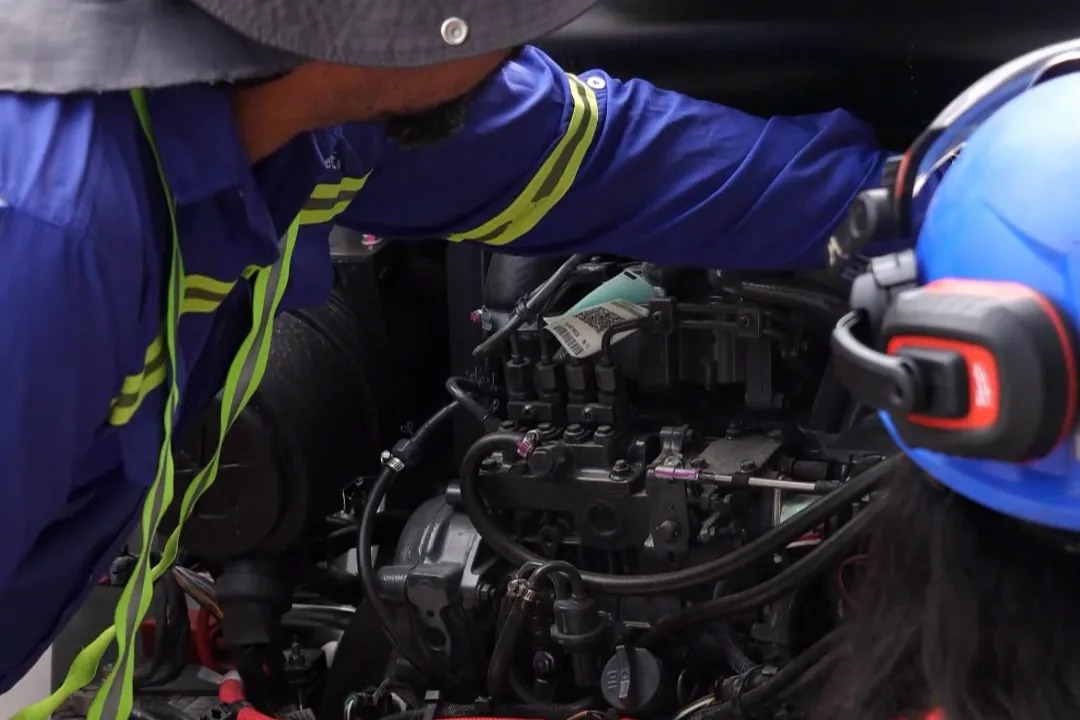
How they are corrected in training
On the simulator every exercise is recorded, so the instructor sees which mistake each trainee repeats before putting them on the machine. Then supervised yard practice corrects the habit on the real machine with the instructor alongside. APMT operator programs include machine-specific safety and practices that reduce fuel use and wear.
| Program (in Spanish) | Delivery | Level | Modules | Hours | Certificate |
|---|---|---|---|---|---|
| Fundamentos de excavadora hidráulicaEl Salvador · Nicaragua | In person | Silver | 6 | To be defined | APMT competency |
| Fundamentos de miniexcavadoraEl Salvador · Nicaragua | In person | Silver | 5 | To be defined | APMT competency |
| Fundamentos de minicargadorEl Salvador · Nicaragua | In person | Silver | 5 | To be defined | APMT competency |
| Operación segura de montacargasEl Salvador · Nicaragua | In person | Silver | 5 | To be defined | APMT competency |
Frequently asked questions
What is the most dangerous beginner operator mistake?
Moving without confirming nobody is in the blind spots or the swing radius. That is why safety around the machine and communication with the signal person come before the controls.
How do I reduce fuel use when operating?
With smooth, coordinated movements, no unnecessary idling and a well-maintained machine. APMT operator programs include practices that reduce fuel use and wear.
Does the simulator help correct operating mistakes?
Yes: it lets you repeat the same maneuver without risk and records every exercise, so the instructor sees the mistake before it reaches the real machine.
Which program teaches me to look after the machine?
Each operator program covers care of its machine; Pre-operation inspection and Preventive maintenance go deeper.
Sources
- APMT program page: Fundamentos de excavadora hidráulica
- APMT program page: Fundamentos de minicargador
- APMT program page: Fundamentos de miniexcavadora
- APMT program page: Seguridad alrededor de maquinaria
- Your machine manufacturer's operation and maintenance manual (it overrides this guide)
- APMT · Simulators and training centers
An APMT guide, written from the published program catalog and the sources cited.
The regulatory or employment validity of a certification may vary by country, program and accrediting body. Komatsu, Smart Construction and KOMTRAX are trademarks of their respective owners.